
The Ultimate Guide to Roasted Flour Chocolate Chip Cookies
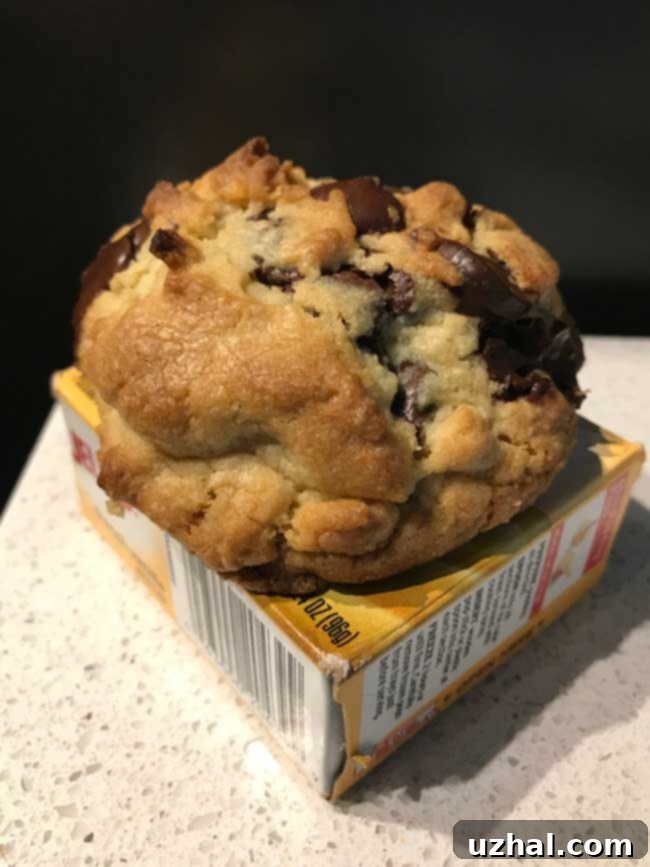
I understand your apprehension about finding this post! I tend to tweak and experiment with this recipe frequently. So, I apologize in advance if you find some variations. However, I’m confident you will adore the final version of these roasted flour chocolate chip cookies. If you enjoyed the Roasted Flour Snickerdoodles, this will be right up your alley! These aren’t your average cookies; these are gloriously large and irresistibly delicious cookies!
Why Roast Flour for Cookies?
The practice of roasting flour before baking has gained immense popularity, largely thanks to the craving for raw cookie dough. Roasting flour is a crucial safety measure since raw flour can harbor bacteria like E. coli, making it essential for safe raw consumption. However, the benefits extend far beyond safety when it comes to baked cookies. Roasting flour brings a unique depth of flavor, lending a nutty, toasty dimension to your treats. Moreover, it can significantly enhance the texture. Roasted flour absorbs moisture more effectively, resulting in a delightful texture. While the final texture depends on other ingredients, using roasted flour in giant chocolate chip cookies yields a thick, slightly crumbly center with a smooth, melt-in-your-mouth feel.

The Nuances of Roasting Flour: Not an All-or-Nothing Approach
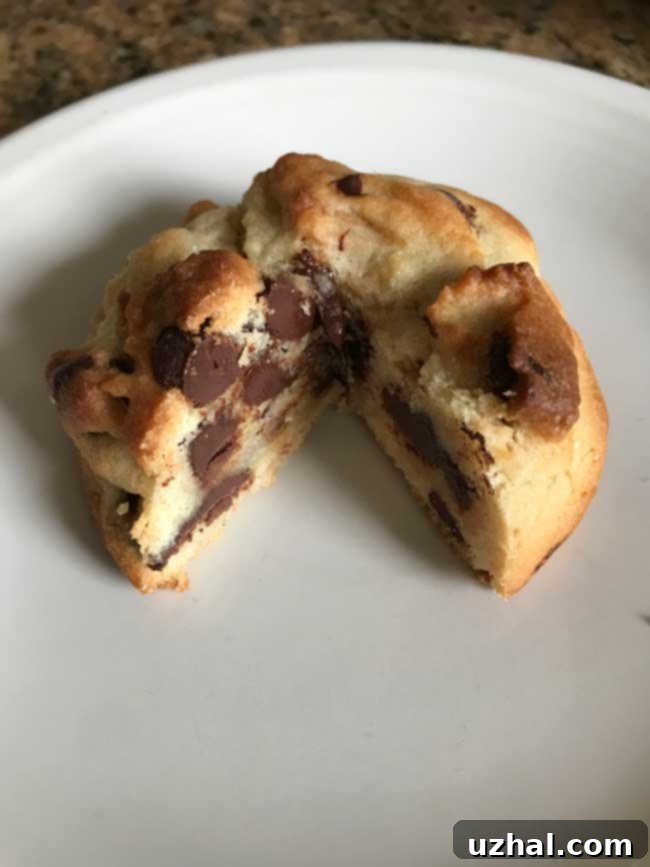
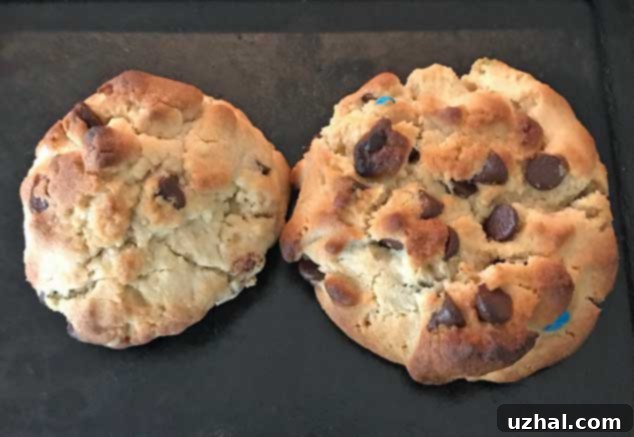
During my explorations with roasted flour, I realized that roasting the entire flour quantity isn’t always necessary. Similar to browning butter, sometimes roasting only a portion of the flour can work wonders. For example, with a previous batch of cookies, using too much roasted flour resulted in an undesirable outcome. The cookies turned out overly round, and the center, while not dry, felt like it was lacking something.
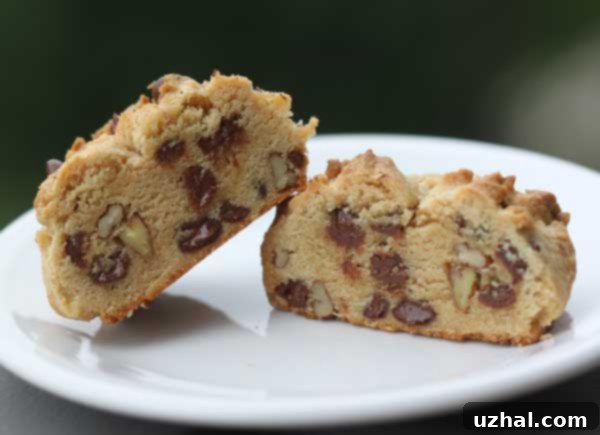
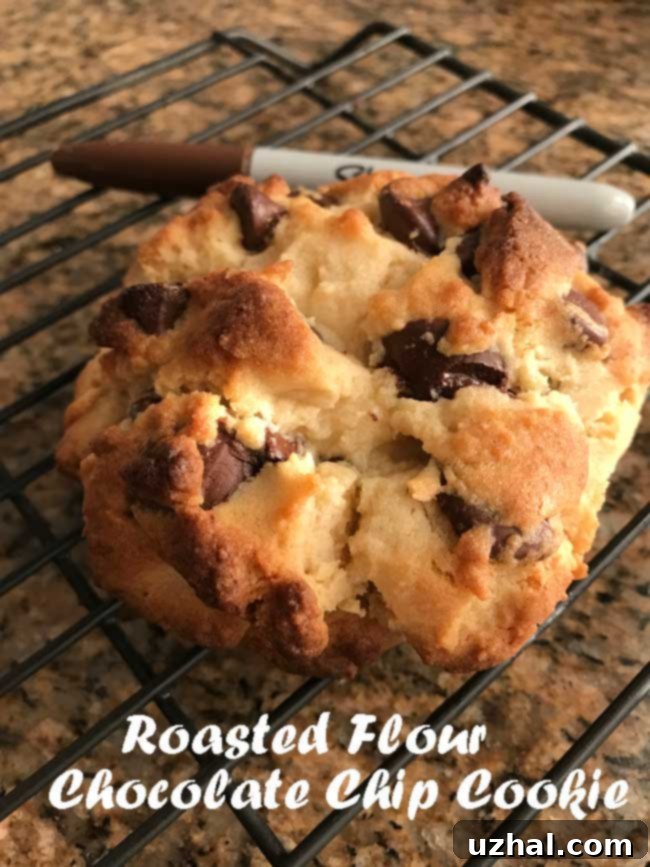
Instead of opting for 100% roasted flour, I now use a combination of regular, unroasted bread flour and roasted all-purpose flour. Roasting a portion of the flour enhances the flavor profile slightly and, more importantly, contributes to maintaining the cookie’s substantial size and thickness. In this recipe, the bread flour remains unroasted (104 grams), while the all-purpose flour is roasted, with its weight measured after the roasting process (58 grams).
The Importance of Weighing Ingredients for Consistency
I rely on gram measurements when making these Roasted Flour Chocolate Chip Cookies. Making even slight modifications to the recipe can drastically alter the texture and shape of the cookie. That makes it even more enjoyable! Don’t be afraid to play around with it! You can slightly increase or decrease the sugar (by a few grams) to adjust the spread of the cookie. You can also experiment with varying proportions of flour. Or, try using a mixture of egg and yolk rather than simply beaten egg. For those who don’t have one, Amazon has a great selection of affordable and reliable kitchen scales. I currently use this digital scale, although I’m considering upgrading to a more advanced model.
Understanding Moisture Loss in Roasted Flour
Keep in mind that roasted flour loses moisture during the roasting process. From my experience, 140 grams of flour typically reduces to approximately 128 grams after roasting. That indicates a moisture loss of roughly 8%. For this latest iteration of the recipe, you’ll only need 58 grams of roasted flour. However, I suggest roasting 140 grams anyway, especially if you plan to double the recipe in the future. For the best results, especially when trying this recipe for the first time, I recommend making the recipe as written twice rather than attempting to double it.
- Crunchy Roasted Pecan Chocolate Chip Cookies
- Roasted Flour Giant Oatmeal Cookies
- Roasted Flour Snickerdoodles
- Honey Caramel Corn
- Roasting Pan Apple Pie
Recipe
Roasted Flour Chocolate Chip Cookies
Anna
Pin Recipe
13
hours
20
minutes
20
minutes
13
hours
40
minutes